Pizza Sauce for Canning: 3 Perfect No-Fuss Steps
Perfect Pizza Sauce for Canning
Welcome to the ultimate guide to making your own pizza sauce for canning right at home.
There is something profoundly satisfying about preserving the harvest, and crafting a vibrant batch is one of the best ways to capture summer’s essence. When the cold winter months roll around, popping open a jar of this robust pizza sauce for canning will instantly transport you back to sunny garden days. You will love how the deep, roasted tomato flavor elevates your Friday night pizza ritual. Furthermore, preparing your own pizza sauce for canning allows you to control every single ingredient, ensuring a healthier and more delicious final product.
This recipe is incredibly versatile and pairs beautifully with a homemade Focaccia Turkey Sandwich for a cozy weekend lunch. Additionally, it makes the perfect base for hearty baked pasta dishes.
Many home cooks feel intimidated by the preservation process, but learning how to make this pizza sauce for canning is surprisingly straightforward and rewarding. We start by slow-roasting the tomatoes, which evaporates excess water and concentrates their natural sugars into a rich, velvety base. As the tomatoes sizzle and blister in the oven, your kitchen will fill with an incredibly fragrant, mouthwatering aroma.
Because this specific pizza sauce for canning requires precise acidity for safety, we carefully balance the natural sweetness with a touch of citric acid. As a result, you end up with a beautifully balanced, shelf-stable pantry staple that outshines any store-bought alternative.
Why You’ll Love This Recipe
You can enjoy the vibrant taste of summer tomatoes in the depths of winter.
This pizza sauce for canning is naturally thick and incredibly flavorful.
Roasting the tomatoes in the oven eliminates the need for endless stovetop simmering.
Having a stash of homemade pizza sauce for canning makes weeknight dinners incredibly effortless.
The simple ingredient list ensures a wholesome, preservative-free meal for your family.
I still remember the first time I processed a batch of this recipe from my overflowing garden. The sense of accomplishment when hearing those lids ping sealed my love for home preservation forever.
What You Need for This Pizza Sauce for Canning
Gathering the right ingredients is the foundational step for a successful batch of pizza sauce for canning. We highly recommend using paste-type tomatoes, such as Roma or San Marzano, because they possess a remarkably meaty texture and significantly lower water content. This characteristic means your pizza sauce for canning will reduce beautifully without requiring hours of tedious reduction on the stove.
Freshness matters immensely here, so select tomatoes that are perfectly ripe, unblemished, and deeply crimson in color. Additionally, using high-quality dried herbs rather than fresh ones ensures a potent flavor profile that holds up beautifully during the prolonged processing time.
Let us explore the core components that make this recipe so special. Fresh Tomatoes: Paste tomatoes are essential because their dense cellular structure provides a thicker, more luxurious consistency.
Dried Italian Herbs: Using dried oregano and basil provides concentrated volatile oils that survive the high heat of processing much better than fresh foliage. Salt: Beyond enhancing the natural umami notes of the tomatoes, salt acts as a crucial flavor stabilizer during long-term storage.
Citric Acid or Bottled Lemon Juice: This critical addition lowers the pH level, ensuring the environment remains inhospitable to harmful bacteria.
Before you begin, arrange your mise en place to ensure a seamless workflow. Having all your tools sterilized and ingredients measured out will make creating this pizza sauce for canning a breeze.
How to Make Pizza Sauce for Canning
Mastering the technique for this pizza sauce for canning relies on a beautiful balance of slow roasting and careful water bath processing. Let us dive into the step-by-step process.
Step 1: Prep and Roast the Tomatoes
Begin by preheating your oven to 350 degrees Fahrenheit. Halve or quarter your fresh, bright red tomatoes and arrange them snugly on a rimmed baking sheet.
Watch How to Make This Recipe
Abbey Verigin shows you the exact technique.
Step 2: Deepen the Flavor
Sprinkle the exposed tomato flesh with a generous pinch of salt to draw out excess moisture. Roast the tomatoes until they begin to wrinkle and dry out, which typically takes between sixty and ninety minutes. As they bake, their natural sugars will caramelize, forming the intensely savory foundation required for a phenomenal pizza sauce for canning.
Once they achieve that blistered, sweet state, carefully remove them from the oven to cool. This crucial roasting phase is what makes this pizza sauce for canning superior to traditional stovetop methods.
Step 3: Blend into a Smooth Puree
Transfer the softened, roasted tomatoes and your dried Italian herbs into a high-powered blender. Process the mixture in batches until it transforms into a velvety, aromatic puree.
Step 4: The Final Reduction
Return the vibrantly colored puree to a deep baking dish and place it back into the warm oven. Allow it to bake for an additional ten to forty minutes, stirring occasionally, until it reaches your preferred level of thickness. The beauty of this pizza sauce for canning is that the oven provides a gentle, even heat that prevents scorching.
Furthermore, baking the puree encourages evaporation without the messy stovetop splatters associated with traditional simmering. Once the texture is lusciously thick and clings to your spoon, it is ready for the jars.
Step 5: Prepare the Jars
While the sauce thickens, bring your water bath canner to a rolling boil. Carefully pre-warm your sterilized glass jars to prevent them from cracking when filled with the hot liquid.
Step 6: Fill and Process
Spoon the hot, aromatic puree into your prepared half-pint jars, making sure to leave the proper headspace for expansion. Use a non-metallic tool to remove any trapped air bubbles, as these can harbor unwanted bacteria and spoil your pizza sauce for canning. Wipe the rims meticulously with a clean, damp cloth before applying the lids and tightening the rings to fingertip tightness.
Carefully submerge the jars in the boiling water bath, ensuring they are covered by at least one inch of water. Process them according to the specified times, adjusting accordingly based on your local altitude.
When examining the nutritional profile, this rich pizza sauce for canning offers impressive health benefits in every single serving. The roasting process significantly enhances the bioavailability of lycopene, a potent antioxidant naturally found in red fruits. In fact, tomatoes are heavily endorsed by nutrition experts as a brilliant low-carb vegetable option. Creating your own pizza sauce for canning also means you completely bypass the excessive sugars and sodium prevalent in commercial jars.
To fully understand the scale of commercial production, it is fascinating to note that California tomato processors handle millions of tons of the fruit annually. Meanwhile, rigorous hygiene protocols like thorough hand washing remain essential steps for safe preservation.
Nutritional Highlights
At just 84 calories per serving, this sauce delivers 5 grams of dietary fiber and 4 grams of protein. It is naturally low in fat, making it an excellent base for a balanced meal.
Store your sealed jars of pizza sauce for canning in a cool, dark pantry for up to eighteen months. Always check the seal before opening, and refrigerate any leftover unsealed portions immediately.
When you are ready to use your homemade pizza sauce for canning, the culinary possibilities are truly endless. Spread a generous, velvety layer over freshly stretched dough, topping it with mozzarella and fresh basil for a classic Margherita. You can also utilize this incredible pizza sauce for canning as a savory dipping element for crispy breadsticks or garlic knots.
For a heartier dinner option, it pairs magnificently with Creamy Garlic Chicken when served over a steaming bed of pasta. Furthermore, stirring a dollop into soups or stews instantly deepens the flavor profile with an authentic, slow-roasted sweetness.
Frequently Asked Questions
Can I substitute fresh herbs in this pizza sauce for canning?
It is strongly recommended to use dried herbs for preservation. Fresh herbs can alter the acidity and introduce unwanted moisture into the jars.
Why must I add citric acid to my pizza sauce for canning?
Tomatoes vary greatly in their natural pH levels depending on the variety and growing conditions. Adding citric acid ensures the environment is sufficiently acidic to prevent the growth of harmful bacteria.
Do I have to peel the tomatoes first?
This specific method bypasses the tedious peeling stage by utilizing a high-powered blender. The skins are thoroughly pulverized, adding valuable fiber and color to the final product.
What happens if my pizza sauce for canning is too thin?
If the puree lacks thickness, simply return it to the oven for an extended period. The gentle heat will slowly evaporate excess water without burning the bottom.
Can I freeze this sauce instead of processing it?
Absolutely, freezing is a wonderful alternative if you prefer not to use a water bath. Pour the cooled mixture into freezer-safe containers, leaving room for expansion.
In summary, stocking your pantry shelves with this magnificent pizza sauce for canning is a project that pays incredible culinary dividends all year long. The unparalleled depth of flavor achieved by slow-roasting fresh garden tomatoes transforms a basic staple into a gourmet masterpiece. As you master this technique, you will quickly discover that this pizza sauce for canning completely eclipses anything sold in a commercial supermarket.
Furthermore, the immense pride that comes from preserving your own harvest is deeply fulfilling and rewarding. Do not be surprised if this robust pizza sauce for canning quickly becomes the most highly requested recipe among your family and friends.
We sincerely hope you embrace the joys of home preservation by making this pizza sauce for canning your next weekend project. Ultimately, having jars of this exquisite pizza sauce for canning on hand guarantees that a spectacular dinner is never more than a few minutes away.
Have you tried this recipe? Drop your experience in the comments below!
Pin this recipe for later
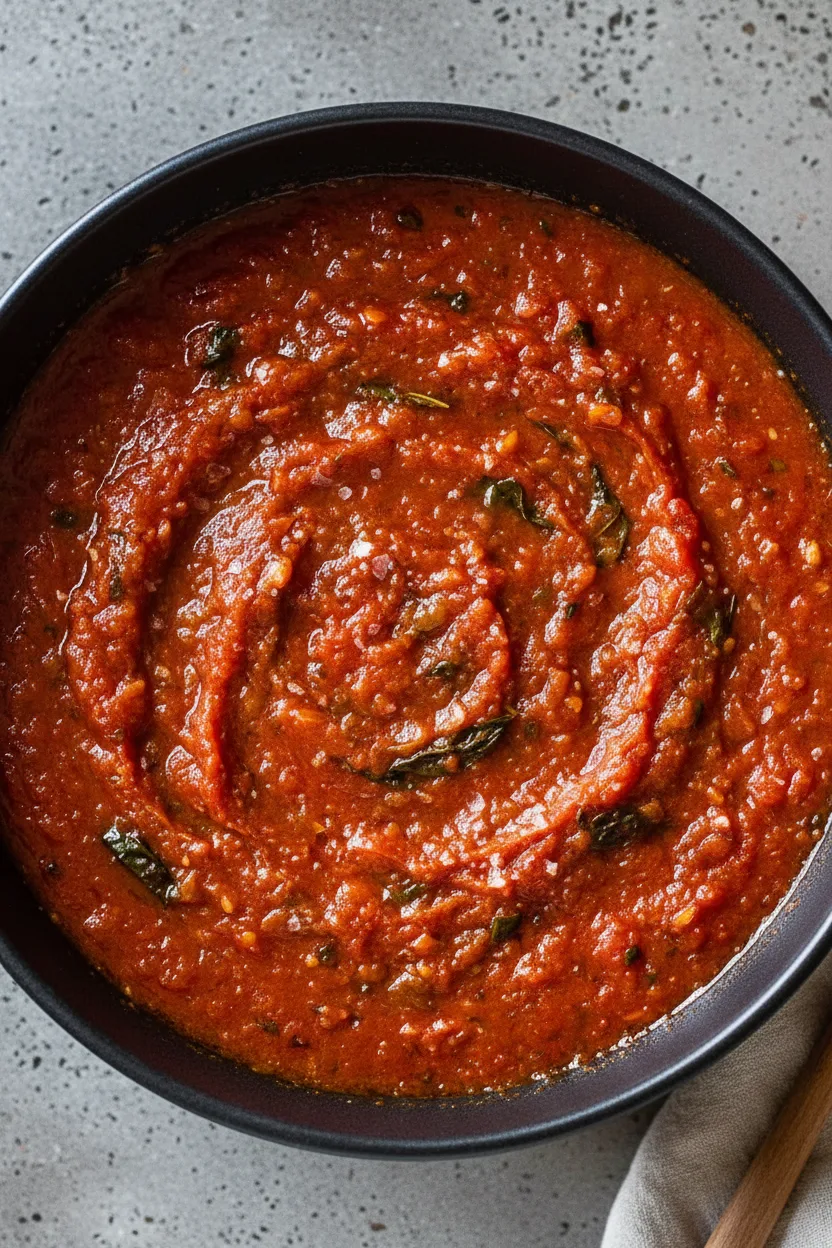

Pizza Sauce for Canning
Ingredients
Method
- Preheat the oven to 350F.
- Cut tomatoes in half or quarters depending on their size and place on a rimmed baking sheet.
- Sprinkle the tomatoes with salt if desired.
- Roast tomatoes until they start to dry out, about 60 to 90 minutes, checking on them periodically.
- Remove tomatoes from the oven and let cool enough to handle safely.
- Add roasted tomatoes and herbs into a blender and puree until smooth, working in batches if necessary.
- Taste the puree and adjust the seasoning as necessary to suit your preference.
- Return the blended sauce to the oven to continue baking for 10 to 40 minutes, until the desired consistency is reached.
- Boil a pot of water and pre-warm your sterilized jars, ensuring they are submerged with 1 to 2 inches of water above them.
- Spoon hot sauce into warm, sterilized 4-ounce or 8-ounce jars, leaving proper headspace.
- Remove air bubbles from the jars and wipe the rims clean.
- Apply canning lids and rings until they are just fingertip-tight.
- Process 4-ounce jars in a boiling water bath for 40 minutes, adjusting for altitude.
- Process 8-ounce jars for 45 minutes, adjusting for altitude as needed.
- Turn off the heat and let the jars stand for 5 minutes in the water.
- Remove the jars from the canner and let them cool undisturbed on a towel.